





Live‑Stream Highlights: Uncover the Secrets of MEMSIC’s Optical Image Stabilization Driver Chip
Release Time:2025.08.01
During the recent online event “Chip Wednesday”, MEMSIC showcased its flagship product — the MSD4100WA optical image stabilization (eOIS) driver chip.
This online presentation offered engineers, technical specialists and industry professionals an excellent opportunity to dive into the chip’s outstanding performance and competitive strengths. It also demonstrated MEMSIC’s profound technical expertise and innovation capabilities in the field of optical image stabilization.
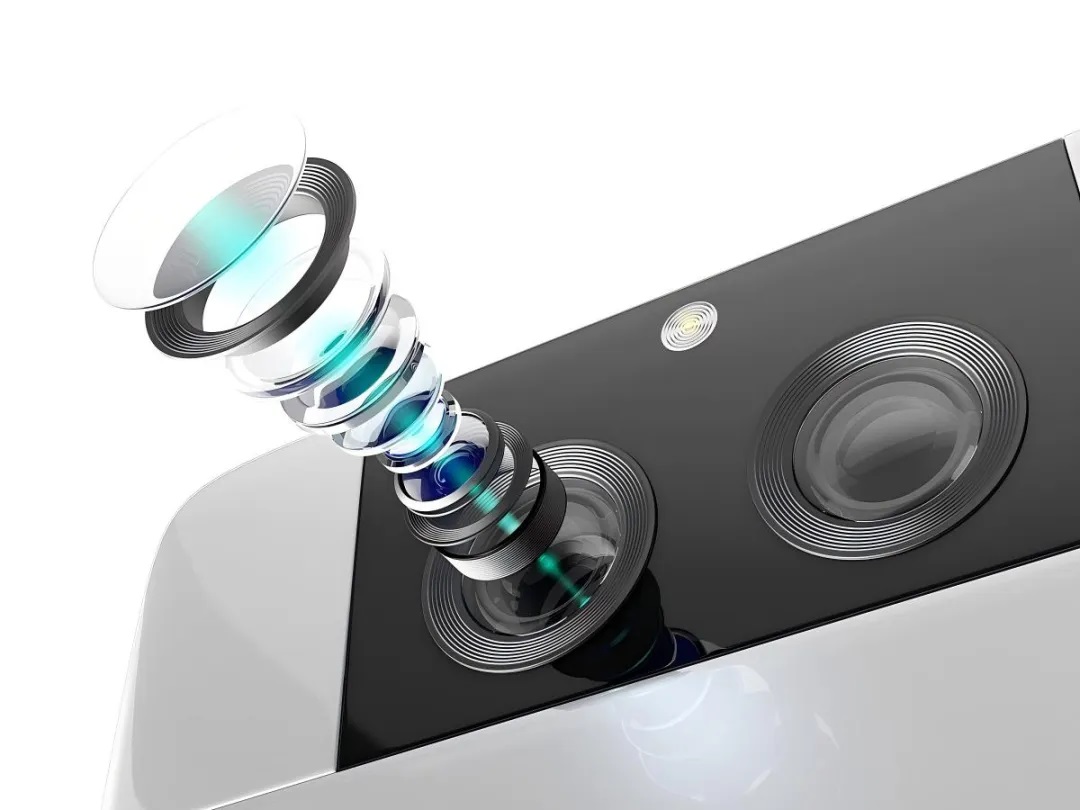
MEMSIC’s eOIS chip MSD4100WA integrates high‑precision low‑noise silicon‑based linear Hall sensors, H‑bridge constant‑current drive circuits and hardware‑based high‑precision PID algorithms, representing a remarkable feat of multi‑technology integration.
Its embedded 16‑bit high‑precision ADC accurately converts analog signals from silicon‑based linear Hall sensors into digital outputs, laying a stable and reliable data foundation for subsequent processing. The H‑bridge constant‑current drive module delivers powerful current‑driving capacity up to ±170 mA, ensuring stable device operation under diverse complex conditions. Combined with MEMSIC proprietary gyroscope algorithms, the high‑precision closed‑loop PID algorithm achieves a noise‑rejection ratio better than 35 dB for camera stabilization, reaching industry‑leading performance.
Compared with conventional integrated OIS products, the MSD4100WA delivers significant advantages in cost control. It replaces costly TMR/GaAs position sensors with on‑chip integrated linear Hall sensors. Meanwhile, the hardware‑implemented PID circuit eliminates the need for an embedded MCU, substantially lowering overall hardware costs.
This innovative design maintains full performance while achieving major cost breakthroughs. It delivers highly cost‑effective solutions, enabling more device manufacturers to adopt advanced optical‑stabilization technology in end‑products and bringing benefits to mass consumers.
The MSD4100WA also excels in key specifications. Versus comparable overseas competing chips, it features low internal resistance of 1.8 ohms. With supply voltage unchanged, this advantage boosts current‑output capacity for superior stabilization performance while effectively reducing circuit power dissipation.
Furthermore, the MSD4100WA supports a high‑speed I3C interface, which greatly cuts system latency caused by low‑speed interfaces for more efficient and seamless data transmission, delivering responsive and snappy user experience.
Drawing on over 15 years of deep‑rooted know‑how in inertial sensors such as accelerometers and gyroscopes, MEMSIC provides complete single‑chip eOIS integration solutions covering chips, algorithms and engineering implementation. For smartphone applications, MEMSIC supplies high‑performance gyro signal‑processing algorithms together with drivers and algorithm tuning services tailored for various mobile phone platforms.
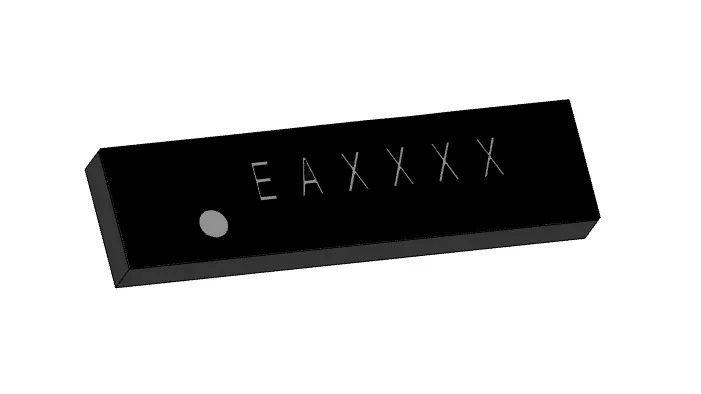
Such end‑to‑end service capability not only reflects MEMSIC’s technical prowess but also embodies its customer‑centric philosophy. It empowers handset OEMs to integrate optical‑image‑stabilization technology rapidly and efficiently and enhance product competitiveness.
MEMSIC’s local support team constitutes another key competitive edge. In today’s market landscape, fast response to customer requirements is critical. Whether for technical consultation or troubleshooting, the local team delivers prompt, attentive and efficient support, enabling customers to deploy MEMSIC products free of concerns.
Moving forward, MEMSIC will keep upgrading its eOIS image‑stabilization product portfolio to drive continuous advancement of optical‑stabilization technologies. Widespread adoption of this chip is expected to elevate imaging quality for smartphones and other mobile devices and bring enhanced user experience to consumers.